Get Help Today! | 978.474.8670

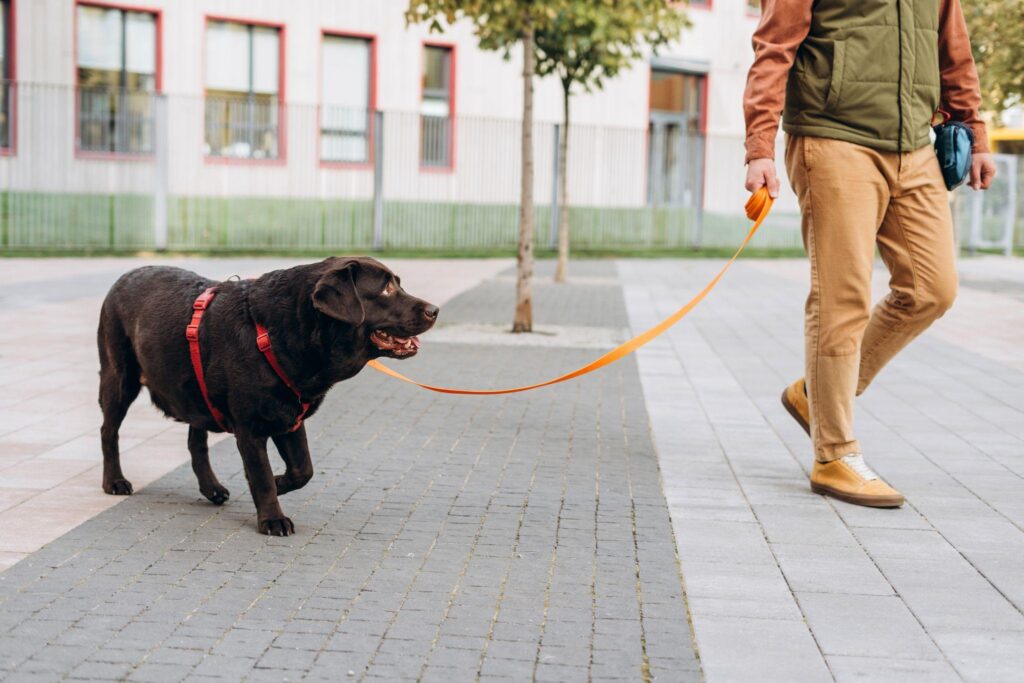
Does homeowners insurance cover dog bites in Massachusetts? Often it does: The personal liability part of a homeowners or renters policy covers the owner’s legal responsibility for injuries to others, but some insurers exclude dog bite claims, so it depends on the policy.
Massachusetts makes the owner or keeper of a dog strictly liable when the dog bites someone (M.G.L. c. 140, §155). Whether an insurance policy pays that bill is a separate question, and the answer sits in the owner’s policy.
Thomas M. Kiley has represented injured people for more than 50 years. If you were bitten by a dog, we can explain where you stand. Call 978-965-3228 for a free consultation.
M.G.L. c. 140, §155 makes the owner or keeper of a dog responsible when the dog bites or injures someone. The Superior Court’s model jury instruction calls this strict liability. You do not have to prove the owner was negligent or knew the dog was dangerous.
You have to show three things: The dog bit or injured you and you suffered bodily harm, the defendant was the owner or keeper, and you were not trespassing, committing another tort, or teasing, tormenting or abusing the dog. The injury is not limited to a bite. It can include a laceration, a fracture or a concussion.
"Keeper" is a question of fact. It includes someone who harbors a dog and takes custody, management and control of it, and the mere presence of a dog on a property is not enough.
Landlords are treated differently. In Nutt v. Florio, the Appeals Court held that landlords were not keepers or owners of a tenant’s pit bull under §155. Negligence principles applied, and liability turned on whether the landlords knew or should have known the dog had dangerous propensities.
Homeowners insurance dog bite coverage, when it exists, sits in the policy’s personal liability protection. The Massachusetts Division of Insurance says most homeowners’ policies include personal liability protection. It advises policyholders to speak with their agent about their liability coverage needs.
For a bite victim, that means the owner’s policy may be the source of payment, but the policy’s terms decide. Coverage can be limited or excluded, as the next sections explain.

A renter’s policy also carries personal liability coverage. The Division of Insurance describes it as covering your personal legal responsibility for injuries to others and their property while they are on your property.
The Division also notes that some municipalities require owners of select breeds to carry insurance for damage or injury the animal causes. That liability might be covered under a standard renter’s policy, but some insurers require additional coverage.
If a tenant’s dog bit you, the tenant who owns or keeps the dog is responsible under §155. The landlord’s liability depends on what the landlord knew, as Nutt v. Florio shows.

The Division of Insurance says the homeowners insurance market in Massachusetts is not take-all-comers. Insurers may decline to offer or renew a policy, as long as the decision does not rest on criteria barred by M.G.L. c. 175, §4C.
Underwriting guidelines vary from company to company. Some insurers may offer a policy, but exclude liability coverage for any claims resulting from dog bite incidents, so dog bite liability coverage is not guaranteed.
| An exclusion does not erase the owner’s liability. M.G.L. c. 140, §155 makes the owner or keeper responsible whether or not insurance applies. What changes is who pays the bill. |
Often, but the policy decides. The Division of Insurance says a renter’s policy covers your personal legal responsibility for injuries to others while they are on your property, and that liability for some pets might be covered under a standard policy while some insurers require additional coverage. Check the policy’s dog language.
Yes. The Division of Insurance says some insurers offer homeowners coverage, but exclude liability for any claims resulting from dog bite incidents. Insurers may also decline or non-renew policies as long as they do not rely on criteria barred by M.G.L. c. 175, §4C.
Not automatically. In Nutt v. Florio, the Appeals Court held that landlords were not keepers or owners of a tenant’s dog under M.G.L. c. 140, §155, and that liability turned on negligence, including whether the landlords knew or should have known the dog had dangerous propensities.
The owner or keeper is still responsible under M.G.L. c. 140, §155. The statute makes the owner or keeper liable for the damage the dog does, whether or not insurance applies. An attorney can look at what other sources of recovery exist.
No. The model jury instruction says the injury is not limited to a bite and can include other physical injury, such as a laceration, a fracture or a concussion. In Curran v. Burkhardt, a dog seized the plaintiff’s pants leg and caused a fall that fractured his hip.
You generally have three years from the date of the injury to file a lawsuit. M.G.L. c. 260, §2A requires tort actions to be commenced within three years after the cause of action accrues, except as otherwise provided. Talk to an attorney early, because evidence fades.
Insurance is only part of a dog bite claim. Our Massachusetts dog bite lawyers will look at who is responsible, what coverage may apply and any offer you have received, and explain where you stand.

There is no fee until we win. Call 978-965-3228 for a free consultation. You can also visit our Andover office at 342 N. Main St., Andover, MA 01810, or contact us online.
Thomas M. Kiley of Kiley Law Group, 342 N. Main St., Andover, MA 01810, is the attorney responsible for this content. This article is for general informational purposes only and does not constitute legal advice. Massachusetts laws cited include M.G.L. c. 140, §155; M.G.L. c. 175, §4C; and M.G.L. c. 260, §2A. Cases discussed include Nutt v. Florio, 75 Mass. App. Ct. 482 (2009). Laws change; consult a licensed Massachusetts attorney for advice specific to your situation.