Get Help Today! | 978.474.8670
Rideshare services like Uber and Lyft have changed how people get around in Massachusetts. Millions of rides are completed across the state every year, from downtown Boston to the suburbs of the North Shore and beyond. But more rideshare vehicles on the road also means more accidents, and these cases are far more complicated than a typical car crash.
When a rideshare accident happens, the question of who is responsible and whose insurance pays gets complicated fast. Uber and Lyft classify their drivers as independent contractors, which creates gaps in coverage and opens the door for both the driver and the company to point fingers. On top of that, Massachusetts has specific laws governing transportation network companies (TNCs) that add another layer of complexity.
If you were injured in an Uber or Lyft accident in Massachusetts or New Hampshire, Kiley Law Group can help you understand your legal options and pursue full compensation. Contact us for a free consultation today.
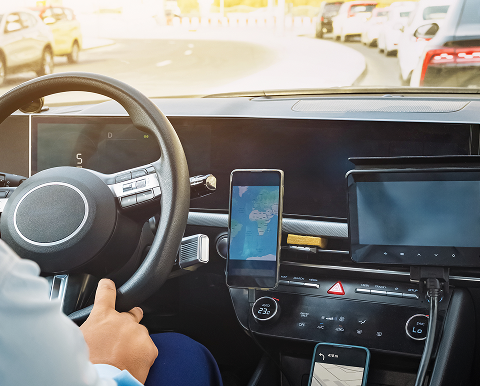
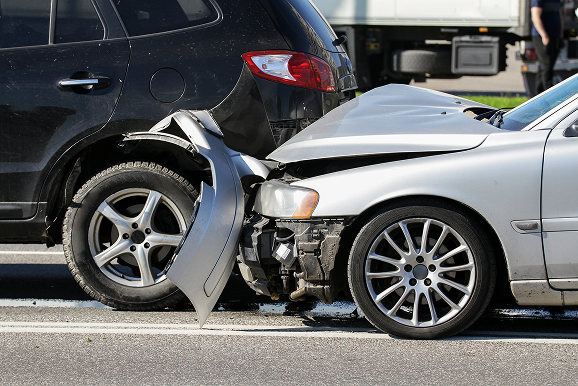
A rideshare accident is any motor vehicle collision involving a car operating through a platform like Uber or Lyft. These accidents can involve passengers riding in the rideshare vehicle, occupants of other vehicles struck by a rideshare driver, pedestrians hit while a driver is picking up or dropping off a rider, and cyclists sharing the road with rideshare traffic.
What makes these accidents different is the corporate layer behind the driver. Unlike a standard two-car collision, a rideshare accident may involve the driver's personal insurance, the rideshare company's commercial insurance policy, and potentially other liable parties, all at the same time. The coverage that applies depends on exactly what the driver was doing at the moment of the crash.
Liability in a rideshare accident depends on the specific facts of the crash. There is no single answer, and multiple parties can share responsibility.
If the Uber or Lyft driver caused the accident through negligence, such as distracted driving, running a red light, or speeding, the driver can be held personally liable. Because rideshare drivers are classified as independent contractors under Massachusetts law, Uber and Lyft generally argue that the driver, not the company, bears responsibility.

While rideshare companies maintain the independent contractor classification to limit direct liability, there are situations where the company itself may be held responsible. If Uber or Lyft was negligent in screening or retaining a driver, for example by failing to identify a driver with a history of serious traffic violations, the company could face a negligent hiring or negligent retention claim. Massachusetts lawmakers and the state attorney general have also challenged the independent contractor classification, and the legal landscape continues to evolve.

In many rideshare accidents, a third-party driver causes the collision. If another motorist rear-ends an Uber vehicle or runs a stop sign and strikes a Lyft car, that driver and their insurance carrier may be the primary source of compensation for the injured party.

In some cases, liability may extend to vehicle manufacturers (if a defective part contributed to the crash), municipalities (if poor road conditions or missing signage played a role), or other entities depending on the facts.
Massachusetts was one of the first states to pass comprehensive legislation regulating rideshare companies. Under the Act Regulating Transportation Network Companies (signed into law in 2016), Uber and Lyft are required to carry specific levels of insurance coverage. The amount of coverage available depends on the driver's status in the app at the time of the accident.

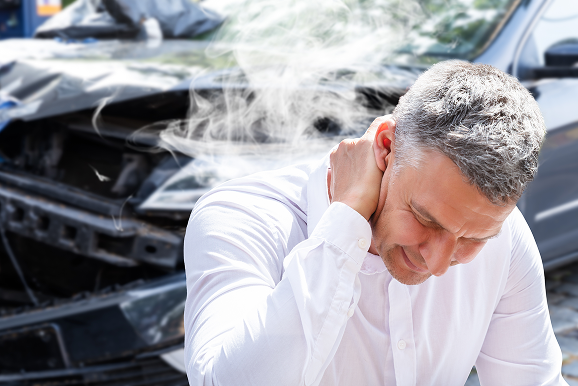
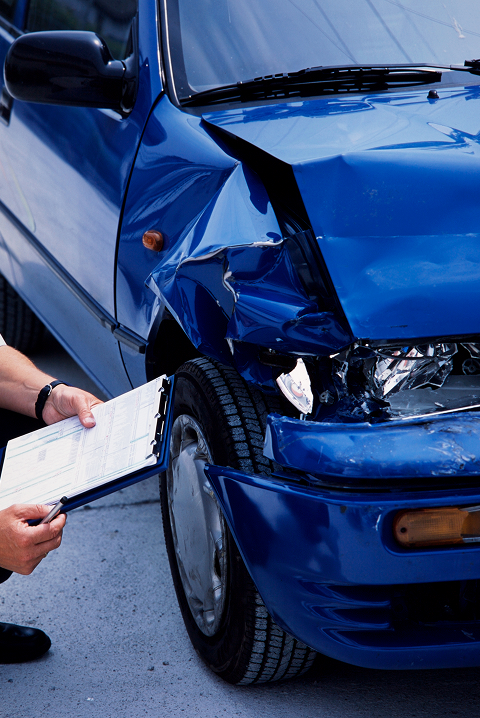


The rideshare driver is typically liable if their negligence caused the crash. However, insurance coverage often comes from the rideshare company's commercial policy rather than the driver's personal insurance, depending on the driver's status in the app. In certain circumstances, Uber or Lyft may also face direct liability for negligent hiring or retention of the driver.
Yes. Massachusetts law requires Uber and Lyft to carry insurance that varies by the driver's app status. When a driver is en route to pick up a passenger or has a passenger in the vehicle, the company must provide $1 million in liability coverage. When the driver is logged in but waiting for a ride request, lower coverage minimums apply.
Yes. Passengers injured in rideshare accidents can pursue compensation regardless of who caused the collision. If the rideshare driver was at fault, the TNC's $1 million policy typically applies. If another driver caused the crash, you may file a claim against that driver's insurance, with the rideshare company's uninsured/underinsured motorist coverage as a backup.
Massachusetts has a three-year statute of limitations for personal injury claims, measured from the date of the accident. Waiting too long to take action can compromise your ability to gather evidence, identify witnesses, and build a strong case. Contacting an attorney promptly is the best way to protect your claim.
If another driver caused the accident, you would file a claim against that driver's insurance. If the at-fault driver is uninsured or underinsured, the TNC's uninsured/underinsured motorist coverage may apply to cover your losses, particularly if the accident occurred during an active ride.
Yes. Rideshare accidents are more complex because they involve layered insurance coverage that shifts based on the driver's app status, corporate entities (Uber or Lyft) that may try to limit their liability, and the independent contractor classification of the driver. Massachusetts-specific TNC regulations under Mass. Gen. Laws Ch. 175, §228 add another layer of legal analysis that does not apply in standard car accident claims.